As previously posted we arrived in Salt Lake City in the afternoon on Monday, June 5th. Tuesday morning we reviewed our research objectives for visiting the Family History Library. The Family History Library is a genealogical research facility in downtown Salt Lake City.
This is what Wikipedia has to say about the library: “The library is open to the public free of charge and is operated by FamilySearch, the genealogical arm of The Church of Jesus Christ of Latter-day Saints. It is the largest genealogical library in the world and is open to the general public at no charge. The library holds genealogical records for over 110 countries, territories, and possessions. Its collections include over 1.6 million rolls of microfilmed records onsite and access the total collection of more than 2.4 million rolls of microfilmed genealogical records; 727,000 microfiche; 356,000 books, serials, and other formats; 4,500 periodicals; 3,725 electronic resources including subscriptions to the major genealogical websites.”
“The library offers research assistance to help patrons trace their own family history. Professional genealogists and volunteers offer assistance in about 30 languages, which includes reading and translating genealogically relevant documents. The library also offers free one-on-one consultations on difficult research problems.”
The facility is a relatively modern structure and is well equipped with the latest computer equipment to facilitate research. Additionally there is a large number of Elders or Missionaries available to assist anyone. I found all of them extremely courteous and helpful.
The material we are researching is mostly from records prior to the mid 1850s. Old town records, ledgers and manuscripts that were mostly written in script, often very difficult to read, and faded from the passage of time. They are often soiled and written on paper that is not acid free. While many of the documents have been microfilmed and in some cases photocopied into computer compatible files, they are not indexed or digitized.
For example, I was looking for information on my paternal 4th great grandfather. He lived in Henniker and Weare, NH from about 1780-1799. Weare town records of births, marriages, and deaths for that period are contained in 3 volumes. The records are not indexed, nor are they in alphabetical or chronological order. Additionally, interspersed with those records are survey records, town meeting records, legal orders, survey records and tax records. The bottom line is that you have to read every record to find your information. It can take 4 to 5 hours to read one volume. The work is tedious and the answers you seek often come in small bits that you have to meticulously record and be careful to document the source of your information. I usually make copies of original documents citing all of the pertinent information related to it. The reward is to be able to cite a document proving your ancestor’s history. I did find several good tidbits on Joseph and other family members but, no great breakthroughs. The search continues.
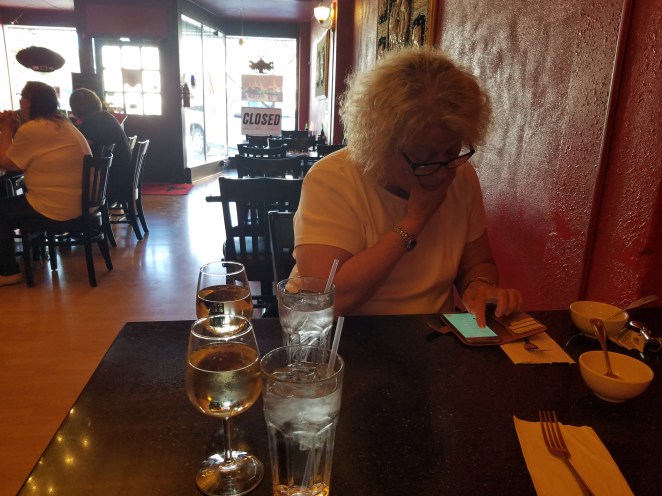
So genealogical research is how we spent a good portion of our week in Salt Lake City. We did some touring of the city and found some excellent dining facilities. {Jeanne: While I am not sure that it qualifies as a “dining” we did especially like a brew pub called “Squatters” – 3 times eating and drinking there! It was nice to have some of them within walking distance of our hotel. One annoyance in the city is parking meters, especially for Jeanne. After getting a ticket the first time I used the damn meters I realized that the meters actually covered 2 parking spots. Not being willing to spend $25 for being a tourist I went to City Hall and pled Blonde. It worked and they deleted the ticket. Yea me! So we helped fill the city coffers while we were there, but didn’t add to them unnecessarily.} I was especially grateful for the opportunity to attend an Organ recital, or practice, at the Latter Day Saints Conference Center. A super bonus was to attend the Mormon Tabernacle Choir’s practice session that same evening. Both are open to the public. What an awesome opportunity that turned out to be. One of the Elders explained to Jeanne & I that all choir members go through extensive auditions prior to acceptance. They are only allowed to be members for 20 years and must retire if they have less than 20 years when they reach 60. Here are some pictures from the organ recital and choir practice.
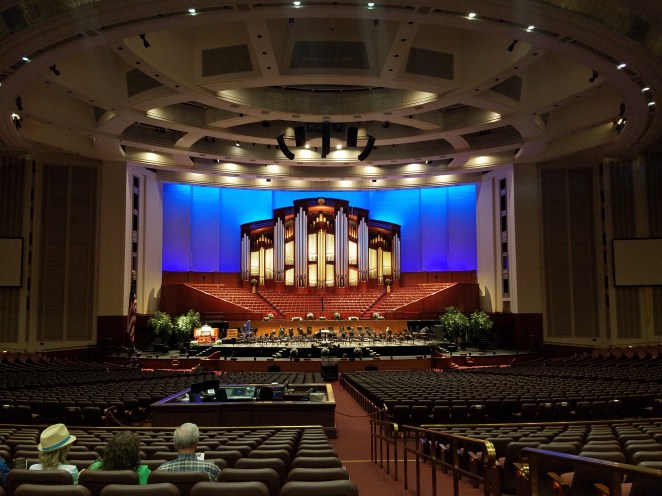
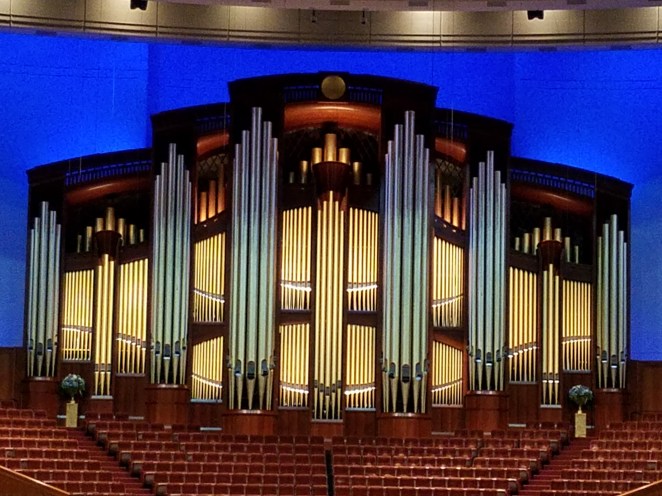
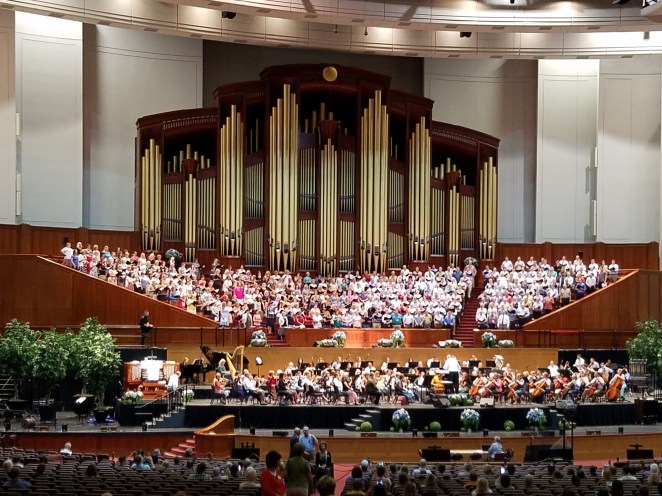
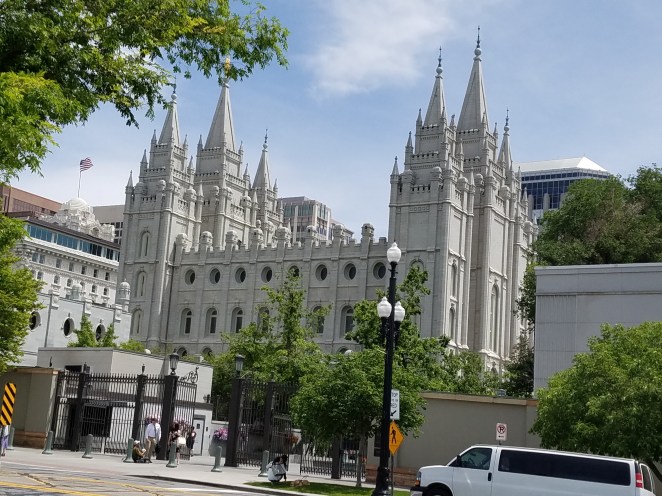
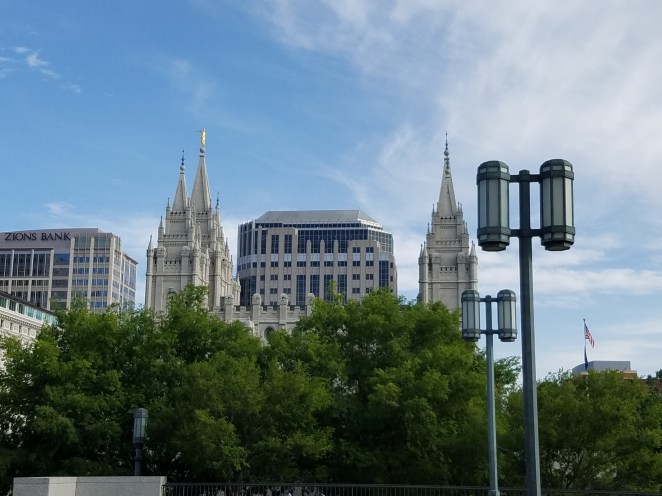
Here are a few shots of their Temple – only LDS members are allowed inside.
It was not all roses in Salt Lake City. The tooth that I fractured and lost it’s cap on Memorial Day weekend began aching and started abscessing. After consulting with a local dentist and my dentist back in CT, I opted for extraction to avoid further complications and pain. I had to see an oral surgeon for the extraction which went well. I still have some discomfort from the removal but, I am able to sleep at night. Life goes on.






























 Jeanne & Walt's Adventures